
YOUR OWN AI OFFICE · OPENING SOON
Your own office, fully staffed.
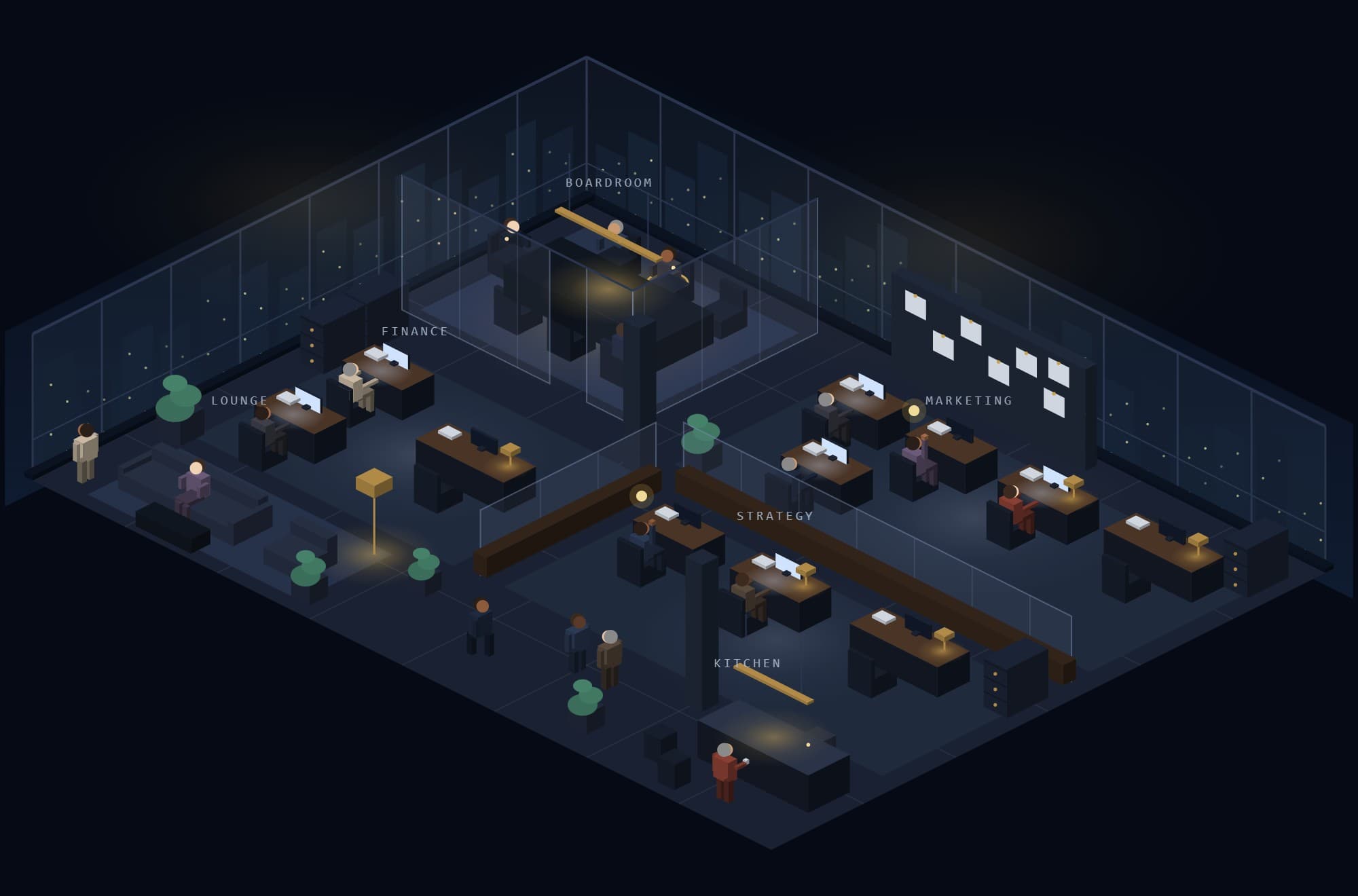
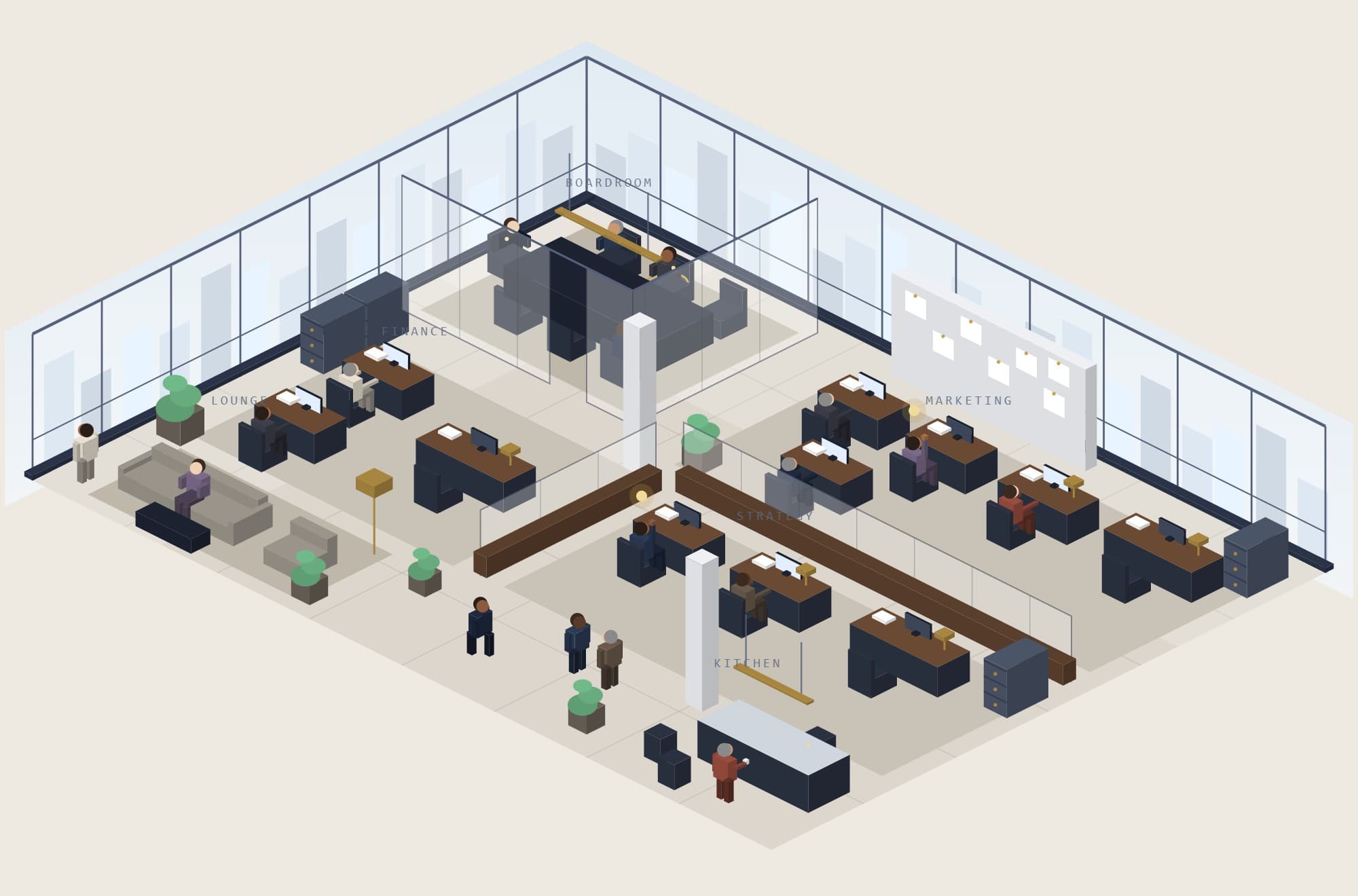
Soon you will hire AI staff from 64 real roles and hand them the things on your list. The office is in owner preview now and is opening to the public soon. The board is open today: call it in when something needs deciding.
The office is not open to the public yet. Join the waitlist
I · Your Office NEW
A team for the work on your plate, whoever you are.
For people running their own business, people working for someone else, and anyone with more to do than hours to do it. Your office is yours, not your employer’s.
In owner preview now, opening to the public soon. This is what the office does.
Hire from 64 roles
Ten departments, from Marketing to Legal and Compliance. Each role is modelled on official UK standards, and no one claims a qualification.
Four levels
Junior, Senior, Head of Department, Director. A higher level uses a stronger AI model.
Give a task
Type it, pick a quick task, or speak to them by name. They sit at their desk and work only while a real task runs.
Your approval first
Finished work waits for your approval before anything is sent.
Meetings in the Boardroom
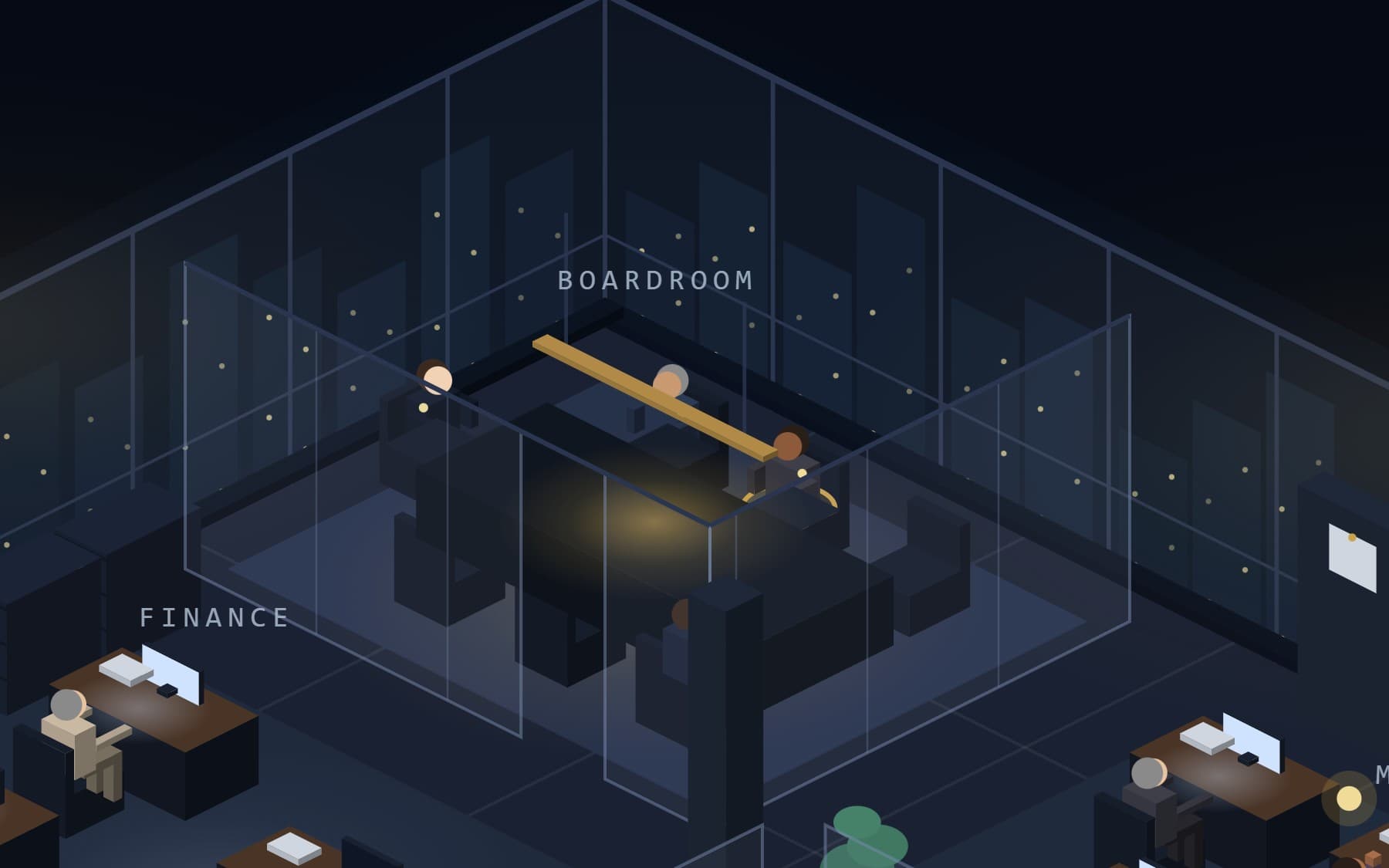
Heads of department gather, debate, and file a decision brief.
Energy meter and Factory mode
See this month's real AI spend against your plan's allowance. Switch the office to a production line where every task is a crate.
- Soon: a document repository in each filing cabinet
- Soon: build and style your own office
Join the waitlist
The Virtual Office is not open to the public yet. Leave your email and we will tell you when it opens.
Data and privacy for people using the office at work: a plain note on what happens to what you type is being written and will appear here. Until then, the Privacy Policy is how Cerno describes its handling of your data.
II · The Boardroom
When something needs deciding, the board meets.
Your heads of department join sixteen advisors, including a CFO, a risk advisor and a Devil’s Advocate. Choose a Quick View or a Full Debate. Disagree with the result and use your Right of Reply for a revised brief.
Put a decision to the boardStep 1: Put the question
Write the decision in your own words. Invite up to four people to add their view privately, free.
Step 2: The board debates
Advisors argue, challenge each other and vote, with current UK VAT, tax and late-payment figures to hand.
Step 3: You get the brief
An Executive Decision Brief, with what-ifs, a share link, and a place in your Decision Journal.
EXECUTIVE DECISION BRIEF · EXAMPLE
Should we take on a second supplier before the summer rush?
- Recommendation
- · Run a trial order first.
- Key objection
- · Lead times may not match.
- Minority report
- · Devil’s Advocate voted against.
III · Plans
Start free. Stay as long as it helps.
Free
£0
Enough to see what the board does.
Founder
£12
a month, or £99 a year
For the person deciding everything themselves.
Premium
Coming
Not yet available
Custom boardrooms and richer deliberation.
Business
Coming
Not yet available
Shared decisions across a team.
Enterprise
Custom
Contact us
Company knowledge, SSO, API, white-label.
Contact us about Enterprise
Virtual OfficePLACEHOLDER
Which plans include the office, and what it costs, has not been decided.
Pricing to be announced
Decision Packs are also available as pay-per-use credits. Compare plans